
Environmental
Environmental Policy and Practices
The company is committed to conducting business that is environmentally friendly and considers the impact on the environment, giving importance to every step of the operation as follows.
- Utilize various resources to their maximum efficiency
- Manage all business processes based on care, maintenance, and preservation to reduce the impact on the environment in both the short and long term.
- Promote the use of technology to develop environmental management.
-
Promote awareness among executives and employees at all levels about conducting business that is friendly to water, air, soil, forests, ecosystems, and climate change, including but not limited to.
- Reducing greenhouse gas emissions by ensuring that vehicles used for transporting goods are in a ready-to-use condition to prevent incomplete fuel combustion.
- Efficient management of electricity and water by providing knowledge to employees and workers on the value of using electricity and water for maximum efficiency and reducing electricity and water usage.
- Reducing the use of materials, office equipment, reusing or recycling, adjusting packaging formats, promoting the use of technology in related processes, and reducing activities that cause pollution.
- Proper management and disposal of waste or garbage, so that the company can manage waste, pollutants, and pollution efficiently, and without impact on the ecosystem, soil, water, and air.
- Cooperate with local, international organizations, and communities around the business premises in managing resources and caring for the environment, adapting and mitigating the impacts of climate change effectively.
- Invest and manage business in partnership with allies, considering the reduction of environmental impact.
- Open for complaints through various channels if environmental problems are found from the company’s business activities.
Environmental Management
The Company recognizes the importance of driving its business toward sustainability to ensure long-term, stable growth. Environmental, Social, and Governance (ESG) considerations are therefore integrated into all aspects of its operations.
The Company is committed to conducting business ethically and responsibly across its entire value chain, in alignment with the sustainable development guidelines of the Securities and Exchange Commission (SEC Thailand) and relevant international standards. Sustainability policies are communicated and implemented across all operational levels, supported by a comprehensive sustainability management framework consisting of five key processes:
1. Assessing the business context and stakeholder relationships to identify material sustainability issues
2. Establishing corporate sustainability policies
3. Formulating sustainability strategies
4. Implementing strategies across all levels of the organization
5. Monitoring, reviewing, and transparently disclosing sustainability performance
The Company has established a sustainability policy that addresses three core dimensions-environmental, social, and governance-while encouraging employees, business partners, and stakeholders to actively contribute to positive change at both organizational and societal levels.
Long-term Sustainability Targets
The Company has established a policy of continuous improvement in electricity efficiency, targeting a 20% reduction in electricity use per unit area by 2029 compared to the 2024 baseline. As the Company is in a period of ongoing branch expansion, energy intensity per unit area is used as the primary indicator, rather than total electricity consumption.
The targets are divided by branch type and renewable energy as follows:
- Company-owned premises - targeting 100% Solar Rooftop installation across all Company-owned branches by 2029, combined with energy-efficient equipment upgrades, to achieve a reduction in electricity use per unit area of at least 15%.
- Leased branches in shopping centers - targeting a reduction in electricity use per unit area of at least 5%, through electrical equipment improvements and the promotion of energy-efficient practices among staff.
- Increasing the share of renewable energy - targeting a renewable energy share of no less than 15% of total electricity consumption by 2029, compared to approximately 5% in the 2024 base year, with Solar Rooftop installation serving as the primary driver.
In addition, the Company emphasizes efficient water usage through the selection of appropriate water sources, such as groundwater, and the improvement of operational water management practices to maximize efficiency.
Energy Management and Climate Change
The Company acknowledges the increasing impacts of global warming and climate change, which present significant challenges requiring active participation from the business sector.
The Company has demonstrated a clear commitment to reducing carbon emissions through operations aligned with global sustainability goals, including the Paris Agreement. Energy consumption and environmental data are systematically collected to support effective management and long-term greenhouse gas (GHG) reduction.
Energy Reduction Initiatives
1. Solar Rooftop Initiatives
As part of its operational strategy, the Company has implemented solar rooftop systems across key operational areas, including production farms, central kitchens, and selected branches. This initiative aims to reduce reliance on fossil fuel-based energy and lower long-term energy costs.
Energy Consumption Statistics (Unit: kWh)
| 2023 | 2024 | 2025 | Target 20291 | |
|---|---|---|---|---|
| Total Energy Consumption | 14,744,674 | 17,383,046 | 20,394,045 | Measured by energy intensity per unit area |
| Growth rate (vs. prior year) | 50% | 18% | 17% | - |
| Energy Intensity (kWh/sq.m.) | - | 2024 baseline | - | ≥15% of total energy |
| Renewable Energy Consumption | 228,765 | 936,668 | 1,001,100 | - |
| Growth rate (vs. prior year) | 84% | 309% | 7% | - |
| Renewable energy share (%) | 1.5% | 5.4% | 4.9% | ≥15% |
| Solar Rooftop Installation (Company-owned branches) | - | Partially installed | - | 100% |
Note: 1The 2029 target is primarily measured by energy intensity per unit area (kWh/sq.m.), as the Company is in a period of ongoing branch expansion and total energy consumption may increase with the number of branches.
2. Greenhouse Gas Emissions Reduction Initiatives
The Company is currently developing projects to participate in carbon credit mechanisms by reducing greenhouse gas (GHG) emissions through efficient resource management. Key initiatives include the adoption of clean energy, organic composting, the elimination of open burning in organic farming, and the reduction of chemical usage across operations.
The Company aims for these emission reductions to be measurable, verifiable, and certified, enabling participation in the voluntary carbon market. This approach will support the Company’s transition toward achieving Net Zero emissions in a concrete and measurable manner.
Greenhouse Gas Emissions Reduction Statistics(Unit: kg CO2e)
| 2023 | 2024 | 2025 | targets 2029 | |
|---|---|---|---|---|
| Organic Waste Composting | -100,904 | -294,702 | -444,081 | >-400,000 |
| Growth Rate (vs. prior year) | -378% | -192% | -51% | - |
| Avoidance of Open Burning Practices | -138,580 | -146,380 | -162,760 | >-160,000 |
| Growth Rate (vs. prior year) | -7% | -6% | -11% | - |
| Reduction / Elimination of Chemical Inputs | -2,483,899 | -2,623,339 | -2,916,163 | >-3,000,000 |
| Growth Rate (vs. prior year) | -7% | -6% | -11% | - |
| Total | -2,723,383 | -3,064,421 | -3,523,004 | >-3,500,000 |
| Growth Rate (vs. prior year) | -10% | -13% | -15% | - |
| Growth Rate (vs. 2024 baseline) | - | baseline | -15% | -20% to -50% from 2024 baseline |
Long-term Sustainability Targets
- The Company is committed to supporting global efforts to limit the rise in average temperature and align with the Paris Agreement. To achieve long-term sustainability, the Company has set a target to reduce GHG emissions by 20–50% by 2029, compared to the 2024 baseline.
Climate Change Risk and Opportunity Assessment
The Company conducts comprehensive assessments of climate change-related risks and opportunities across multiple dimensions, including strategic, operational, financial, and compliance perspectives. These assessments cover both current risks and emerging risks, enabling the Company to proactively manage potential impacts and identify opportunities arising from climate change.
Climate-Related Risks
| Risks | Details | Impact on the Company |
|---|---|---|
| Strategic Risk | Changes in temperature, drought, flooding, and other climate conditions may affect agricultural yield quality and increase production costs. |
|
| Operational Risk | Extreme weather conditions may disrupt production processes, logistics, and the operations of the Company’s network of farmers. |
|
| Financial Risk | Fluctuations in raw material and agricultural product prices due to global warming and natural disasters, as well as impacts on consumer purchasing power and behavior during extreme weather conditions (e.g., heatwaves or heavy rainfall), may affect the Company’s financial performance. |
|
| Regulatory Risk | Changes in environmental laws and regulations, such as carbon taxes or emissions-related requirements, may impact the Company’s operations. |
|
| Opportunities | ||
| Products and Services | The development of new menu offerings and products that promote sustainable consumption, such as locally sourced ingredients, organic produce, and low-carbon products. |
|
| Market | Expansion into consumer segments that prioritize sustainability, such as younger and urban consumers. |
|
Water Management
Climate change impacts water availability across different regions, creating risks of insufficient supply to meet demand across sectors. The Company has therefore established water management plans and continuously improves water use efficiency across its operations.
Water Consumption Statistics (Unit: cubic meters, m3)
| 2023 | 2024 | 2025 | targets 20292 | |
|---|---|---|---|---|
| Tap water consumption | 177,266 | 231,727 | 295,366 | Measured by consumption per unit area |
| Growth rate (vs. prior year) | 39% | 31% | 27% | - |
| Growth rate (vs. 2024 baseline) | - | Baseline | +27% | 10% reduction from 2024 baseline |
| Groundwater consumption1 | 280,959 | 332,579 | 367,423 | Measured by share of total water use |
| Growth rate (vs. prior year) | 14% | 18% | 10% | - |
| Share of total water use (%) | 61% | 59% | 55% | Increase from 2024 baseline |
Note:
1Groundwater is lower-cost than tap water and reduces long-term risks from water supply volatility — hence the target is to increase its share rather than reduce it.
2The 2029 target is measured per unit area (m³/sq.m.) as the Company is in a period of ongoing branch expansion and total water consumption may increase with the number of branches.
Long-term Sustainability Targets
The Company is committed to managing water consumption efficiently, with targets divided by water source type as follows:
- Tap water — targeting a reduction in tap water consumption per unit area of no less than 10% by 2029 compared to the 2024 baseline, through improvements in operational water management processes and the installation of water-saving equipment.
- Groundwater — targeting an increased share of groundwater use as a proportion of total water consumption, to substitute tap water in areas with suitable potential. Groundwater serves as a lower-cost alternative and helps reduce long-term risks associated with water supply volatility.
Waste Management
Waste management is a key component of sustainable business operations, playing an important role in minimizing long-term impacts on communities and the environment. The Company is committed to comprehensive waste management under a “Zero Waste to Landfill” approach, focusing on waste reduction, segregation, and reuse to minimize or eliminate waste sent to landfill.
Waste Management Initiatives
Zero Waste Initiative
The Company is committed to the zero waste concept by converting natural and organic waste into valuable resources. This includes materials such as leaves, branches, corn husks, rice husks, manure, ash, and other organic waste collected from households, public areas in Chiang Mai, post-harvest vegetable residues, and food waste from selected restaurant branches. These materials are processed through various methods to produce organic fertilizer, which is used in the Company’s farms. In addition, the organic fertilizer is distributed to nearby communities to support local agricultural activities.
Total Waste Statistics (Unit: kilograms, kg)
| 2023 | 2024 | 2025 | Target 2029 | |
|---|---|---|---|---|
| Total waste generated | 3,113,433 | 4,769,318 | 5,393,625 | Measured by volume per unit area |
| Growth rate (vs. prior year) | 42% | 53% | 13% | — |
| Growth rate (vs. 2024 baseline) | — | Baseline | +13% | Reduction from 2024 baseline |
| Non-Hazardous Waste | 57,822 | 105,140 | 117,843 | Zero Waste to Landfill |
| Share of total waste (%) | 1.9% | 2.2% | 2.2% | — |
| Growth rate (vs. 2024 baseline) | — | Baseline | +12% | Reduction from 2024 baseline |
| Hazardous waste | None | None | None | None |
Note:
1The 2029 target follows the Zero Waste to Landfill approach, reintegrating waste into production processes through composting, raw material reprocessing, and waste reduction at source.
2Total waste increases with branch expansion; therefore, waste per unit area is used as the primary performance indicator.
Long-term Waste Management Targets
The Company is committed to comprehensive waste management under the "Zero Waste to Landfill" approach, targeting a reduction in waste sent to landfill to the lowest possible level by maximizing the reintegration of waste into production processes. The approach is as follows:
- Non-hazardous waste — continually increasing the proportion of waste that is repurposed, such as composting from raw material scraps and food waste, processing vegetable and leaf waste, and reducing waste at source throughout operational processes.
- Hazardous waste — the Company generates no hazardous waste from its operations and is committed to maintaining this standard going forward.
Environment Performance
Organic Farming
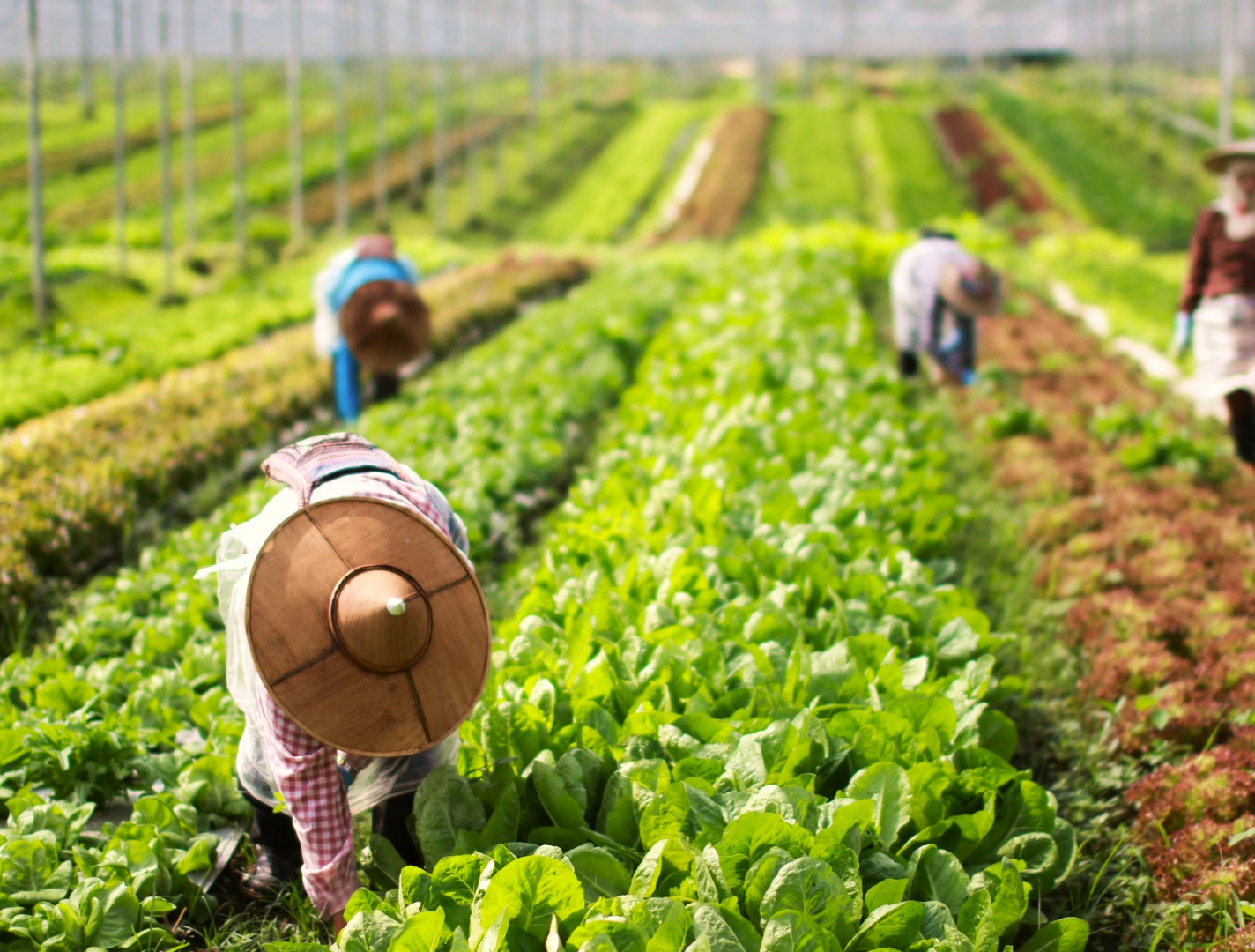
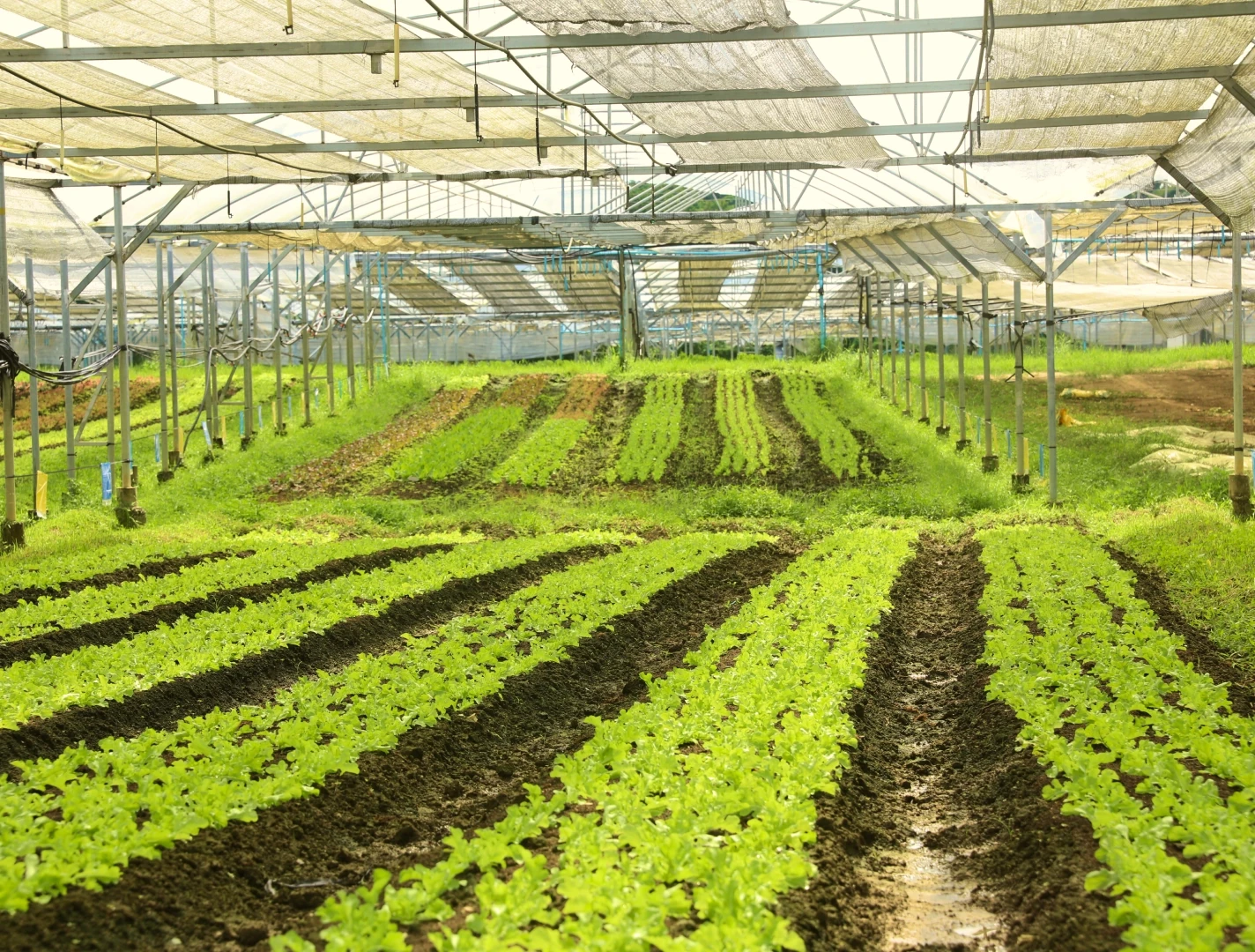
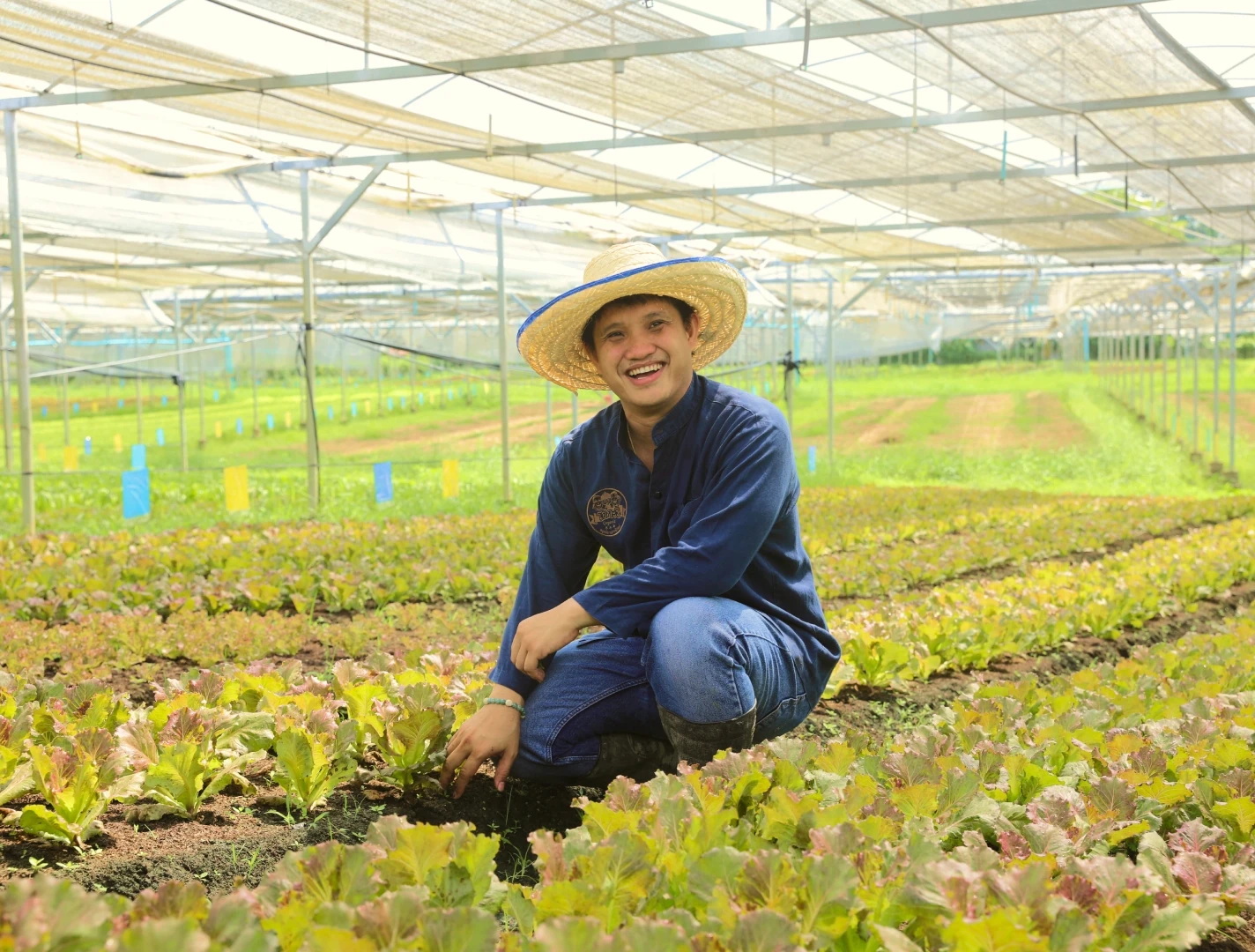
The main process in the company’s business operations is the cultivation of vegetables, fruits, and edible flowers to be used as raw materials for cooking and various products of the company. The company uses organic farming processes to grow all types of vegetables and is committed to the company’s vision, which is “We are committed to walking on an organic path that is good for us and society.”

Zero Waste
The company is committed to the concept of reducing waste to zero, or Zero Waste, by using natural waste such as leaves, branches, corn husks, compost, cow dung, ash, etc., which are natural waste from households and streets in Chiang Mai province, as well as leftover vegetables from trimming after harvesting, and organic waste from restaurants in 2 branches in Chiang Mai, to transform through various processes into organic fertilizer for use in planting vegetables in the company’s garden. In the years 2021-2023, the company converted approximately 1,000-2,000 tons of natural waste into organic fertilizer per year.
Solar Panel Installation
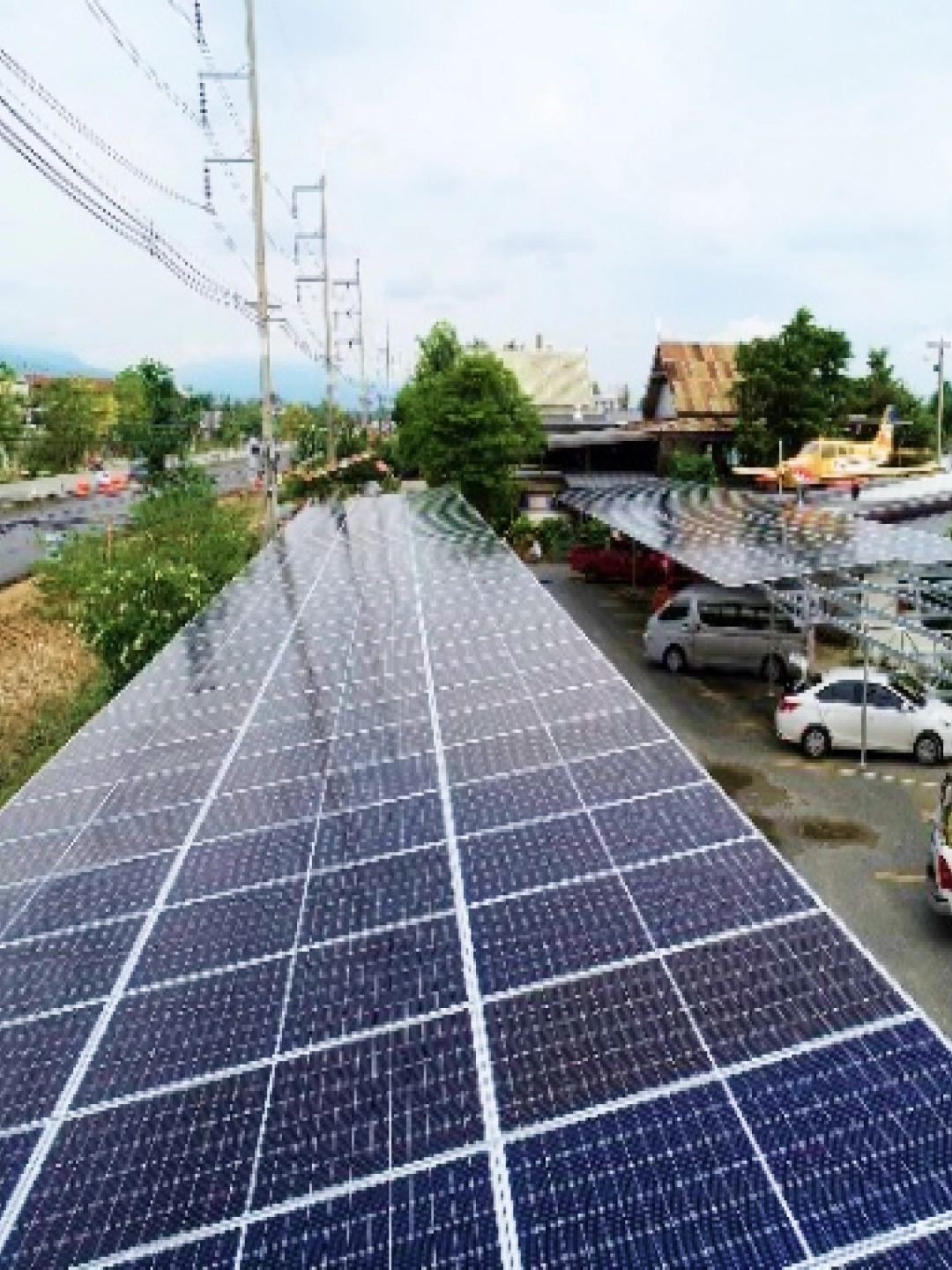
The company considers the use of clean energy in its operations, by installing and setting up solar energy systems on the roofs of the company’s greenhouses, central kitchen, and restaurant in Chiang Mai province, to be used as renewable energy in various processes of the company.
Project To Promote Prevention And Solve Smog Problems In The Northern Region
The company recognizes the importance of the aforementioned problem and wants to support the prevention and resolution of the problem at its root cause, by campaigning to raise awareness among community members about the dangers of smog and pollution, and reduce forest and agricultural burning to solve the smog problem in the long term. The company has collaborated with CSE in organizing various activities as follows.

Build Weirs and Reforest Upstream Areas Project
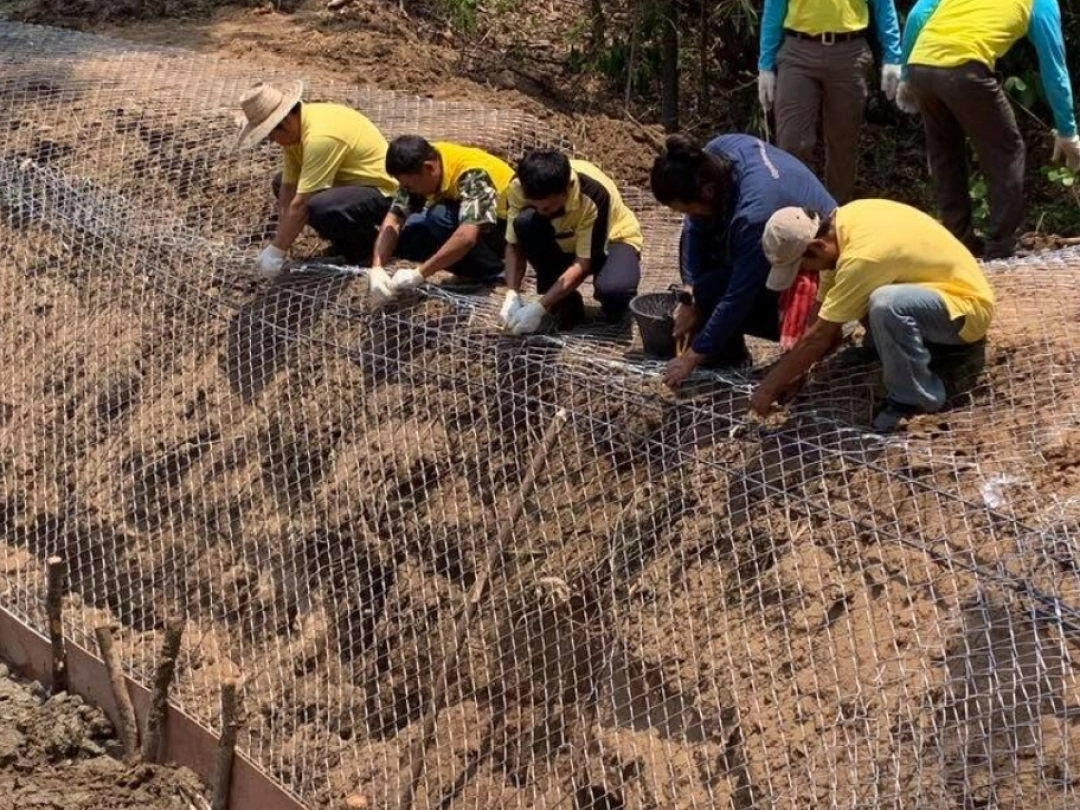
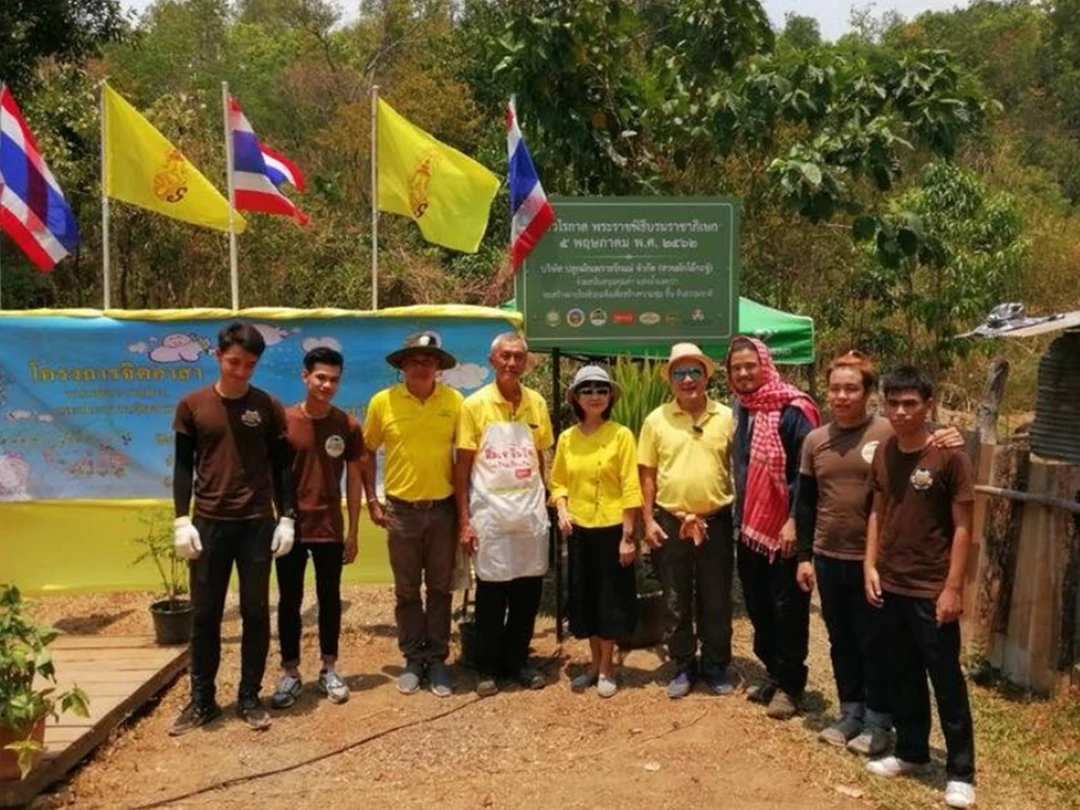
The company has continuously supported activities of reforesting upstream areas and building weirs in various areas in Chiang Mai province, to restore upstream forest areas and build weirs to slow down the water speed to prevent flood problems. It also allows for the storage of water for consumption and agricultural use to address drought problems.
The Plant Coffee Preserve Forests Reduce PM 2.5
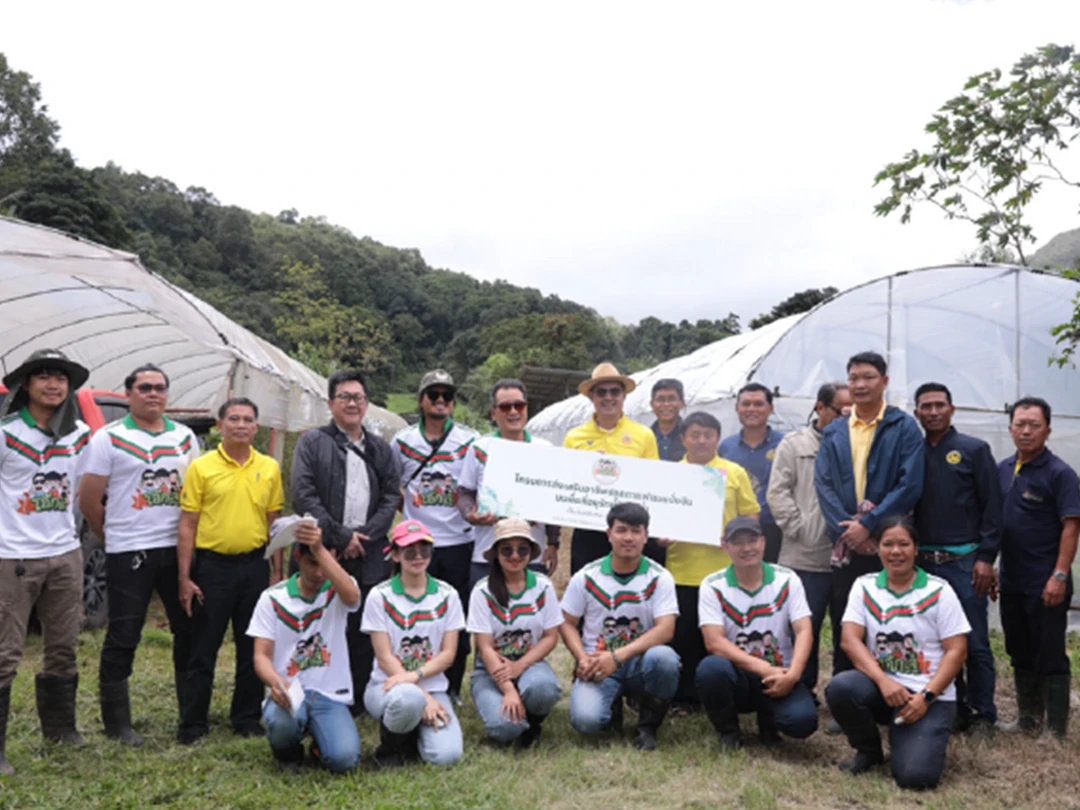
In the second quarter of 2024, the company initiated a project to support organic coffee cultivation for the community in Ban Pang Hin Fon, Mae Chaem District, Chiang Mai. This project will help increase the community’s income, as coffee is a high-value cash crop with a broad market both domestically and internationally. Additionally, organic coffee farming reduces the use of chemicals and promotes sustainable use of natural resources within the community. Moreover, it helps reduce forest burning and air pollution, including PM 2.5.
The company has not yet compiled data on current greenhouse gas emissions. However, the company is in the process of planning and studying methods for assessing greenhouse gas emissions resulting from its business operations. This includes hiring a certified verifier for the organization's carbon footprint, registered with the Thailand Greenhouse Gas Management Organization (TGO), to analyze the amount of greenhouse gas emissions from the company's various activities. The company expects to prepare reports and verify the data to apply for certification of the greenhouse gas emissions report according to the TGO guidelines and in compliance with the international ISO 14064-1 standard by 2026.